Bingo is one of those timeless games with a simple premise: players mark off numbers on a card as they're called out, aiming to complete a specific pattern—often a full house, meaning every number on the card is marked. For decades, bingo halls full of dabbers (the marker used to cover called numbers) brought communities together. But as our world accelerates, so does our appetite for faster entertainment.
How can we speed up bingo while keeping its core thrill intact? This post digs into the art of making bingo quicker, focusing on how familiar rules lower the learning curve, how digital tools like laptops and phones speed things up, and how hybrid games like Slingo illustrate adaptation. We’ll naturally call out companies such as The Yeshiva World (YWN), MrQ (mrq.com), and cultural voices like Smithsonian theyeshivaworld.com Magazine along the way.
Why Faster Bingo Matters
The classic bingo game, especially with the traditional 75 ball setup, can take quite some time. Players relish the suspense, but modern lifestyles often demand shorter, sharper sessions. Short bingo sessions are appealing to players juggling busy schedules or seeking quick social interactions through their devices.
Fast bingo games answer this call by speeding up draw rates, simplifying patterns, and leveraging tech where possible—without changing the fundamental experience of numbers being randomly called and players marking them.
Keeping the Basics: Familiar Rules Reduce Friction
One crucial insight I've learned from covering digital culture is that people stick longer when the fundamentals feel familiar. Changing the core rules too much can alienate veteran players.
That’s why the popularity of 30 ball bingo rules stands out. Unlike the usual 75 or 90 ball versions, 30 ball bingo uses fewer numbers and quicker rounds but retains the essence of “mark and match.” The Yeshiva World (YWN), among other communities, has referenced how traditional bingo fans appreciate quicker options without having to "relearn" the game.
Shorter games with familiar patterns minimize friction and lower the learning curve. This ease helps operators like MrQ introduce newcomers through friendly, fast-paced online bingo rooms without confusion.
Digital Convenience: Laptops, Phones, and Automatic Marking
Multi-Device Play
Historically, players used physical cards and shouted “Bingo!” across smoky halls. Now, laptop and phone play have transformed accessibility. People can join games from coffee shops, commutes, or couch comfort zones.
MrQ (mrq.com), a leading bingo platform, exemplifies this by offering seamless cross-device experiences. Whether you use a phone or laptop, interface designs focus on clarity, immediate feedback, and ease of play. These factors combine to reduce delays, keep games moving briskly, and maintain fun.

Automatic Number Marking (Auto-Daub/Auto-Mark)
Let’s define auto-daub (also called auto-mark): this tool automatically marks called numbers on your bingo card. It reduces the human error of missing a number and saves precious seconds in scanning cards. This feature is often a game-changer for fast bingo games.
Smithsonian Magazine has highlighted digital game adaptations, noting how “automation enhances accessibility while respecting traditional gameplay.” Auto-daub lets participants focus on the social and suspenseful moments without hassle.
Players interested in short bingo sessions find that auto-mark lets them jump right into the game’s heart—the thrill of completing the pattern—without administrative fuss.
Bingo as a Case Study: Adaptation Without Sacrifice
Bingo’s journey from smoky halls to tiny phone screens offers a prism into how physical entertainment evolves digitally. It proves that not every innovation requires tossing the old guard aside.
- Core rules stay stable. Players still need to cover numbers as called. Session lengths shrink. By using 30 ball bingo or timed rounds, games cater to modern pacing. Automation greases the wheels. Smart auto-daub tools reduce errors and time. Platform flexibility. Players expect cross-device support, as seen on MrQ and other sites.
This balance explains why bingo remains a social staple even now, decades after its heyday. It adapts without compromise—a valuable lesson for all classic games moving online.
Hybrid Games: Slingo and the Bingo Evolution
Within the spectrum of fast bingo games, hybrids like Slingo merge bingo with slot mechanics. Players match numbers but also spin wheels—a fusion that offers even brisker gameplay.
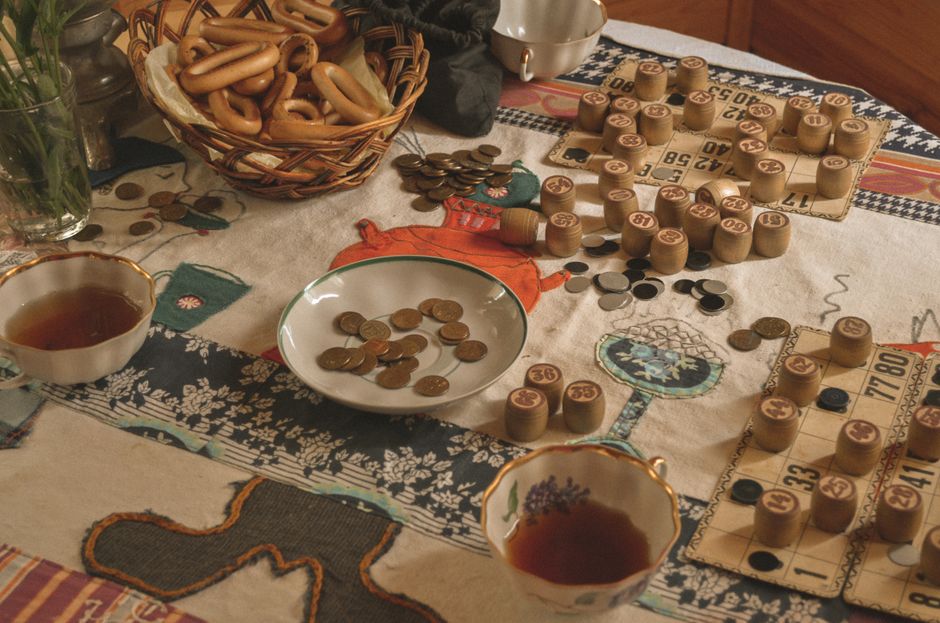
What stays the same is the core familiarity of looking for marked numbers; what changes is the pacing and added layers of engagement. These hybrids illustrate how bingo’s basic idea can inspire new formats while keeping its essence.
Slingo and similar concepts have popularized on platforms also hosting traditional bingo, showing that speed and innovation can co-exist without messing with the roots.
Summary Table: Classic Bingo vs. Fast Bingo Features
Feature Classic Bingo Fast Bingo Ball Count Typically 75 or 90 balls Often 30 balls or fewer Session Length 20–40 minutes Under 10 minutes Number Marking Manual with dabber Auto-daub (auto-mark) options common Device Physical cards, halls Laptop, phone, apps Rules Traditional patterns (full house, lines) Same basic rules, simplified patternsFinal Thoughts
Fast bingo games and short bingo sessions are reshaping how we interact with this decades-old tradition. The secret isn’t to overhaul bingo but to build on its strengths—familiar rules, communal excitement, and chance—while embracing tech like laptops, phones, and automatic marking.
Sites like MrQ (mrq.com) champion this blend, and community reporting by outlets such as The Yeshiva World (YWN) track how players respond. Even respected voices like Smithsonian Magazine recognize that digital adaptations can preserve cultural merits without losing speed.
Whether you’re a die-hard fan or a curious newcomer, the future of faster bingo looks bright—combining convenience, social fun, and the classic thrill of shouting “Bingo!” just a bit quicker.