“Which looks better?” sounds like a camera question. On a working production, it is also a question about locations, lighting, schedule, crew size, and whether the scene needs to feel like night or simply read as night on screen. A convincing result depends less on choosing the supposedly superior method than on choosing the one that serves the story—and giving the crew enough time and control to execute it.

Real night cinematography can offer the particular darkness, reflections, and practical light sources that are difficult to imitate in daylight. Day for night can give a production more control over faces, action, and the day’s schedule. Modern digital cameras and sensors have expanded the options, but they have not made either method effortless.
Here is how the two approaches compare, why each has a place in film history, and what the schedule can do to the final image.
What “Day for Night” Means
Day for night is a broad term for filming in daylight and making the footage appear to take place at night. The effect may be created through exposure, filtration, lighting, framing, color grading, or some combination of them. It is not one preset—and a blue tint alone is not a night scene.
In a classic approach, the crew might underexpose daylight footage, use filters, and choose angles that minimize bright skies. The cinematographer then works to keep the scene legible without making it look like an obviously dimmed afternoon. On a digital production, the image may also be shaped in post with contrast, color, and selective adjustments.
The familiar day for night blue tint is only one possible look. Blue can suggest moonlight, but an all-over cool cast may make skin look unnatural and can feel more like a visual shortcut than a specific time and place. Night can also be warm, greenish, sodium-orange, or nearly neutral, depending on the sources in the scene and the story’s visual language.
A Brief History: Why Productions Faked the Night
Filmmakers have used day-for-night techniques for decades, in part because night shoots are demanding. Working in darkness makes it harder to move equipment, control backgrounds, keep performers visible, and cover a scene efficiently. Daylight offered a practical alternative: shoot when the location and crew were easier to manage, then use photographic techniques to suggest darkness.
The method has never been limited to one era or budget level. Different productions have used different combinations of underexposure, filters, set dressing, lighting, and laboratory or digital work. What changed with digital workflows is not the basic idea of creating an illusion; it is the amount of image information crews can inspect and manipulate while doing it.
That flexibility has limits. A bright sky, hard midday shadows, or sunlight spilling across a face can still announce “day” to the viewer. Fixing those cues in post may take time and can compromise the image. Good day for night is designed into the shot: the camera position, background, exposure, wardrobe, and lighting all contribute before anyone reaches the grading suite.
What Digital Cameras and Sensors Changed
Modern digital cameras and sensors give cinematographers more ways to work with dim scenes. Better sensitivity and improved noise performance can help capture practical lamps, streetlights, and subtle shadow detail without flooding a location with light. Monitoring tools also let the crew assess exposure and color on set rather than relying only on a guess about how the image may look later.
That does not mean a sensor can see in the awardsradar.com dark without consequence. Raising exposure or pushing an image in post can reveal noise, color shifts, and uneven detail. A camera may preserve information in the shadows, but the lens, light sources, movement, recording format, and final display all affect what the audience sees. “The camera is sensitive” is not a lighting plan.
For real night cinematography, low light sensors can make naturalistic approaches more achievable: a character may move through a pool of practical light instead of being surrounded by conspicuous fill. But darkness still needs composition. If the audience cannot read a face or understand the action, the scene may feel less mysterious than simply underexposed.
Digital flexibility is not a substitute for testing
A short camera test can answer questions that a spec sheet cannot: Does the background fall off the way the director wants? Do practical bulbs clip? Does a blue grade separate from skin tone? Will a dark costume disappear into the location? Testing a representative setup—with the intended lens, exposure, lighting, and monitoring pipeline—can prevent costly surprises later.
Real Night vs. Day for Night: The Main Trade-Offs
Consideration Real night cinematography Day for night Natural atmosphere Can capture genuine night conditions, practical reflections, and darkness. Must create the night impression through choices made in camera and post. Control Available light changes; the crew may need to shape or supplement it. Daylight provides visibility, but sunlight and bright skies can be difficult to disguise. Performance and action Can support a naturally dark performance environment, but visibility may be a challenge. Often easier to see marks and movement; performers may need the scene’s night mood conveyed clearly. Schedule Can require night calls, night moves, and careful planning for the next work period. Can keep filming in daylight hours, though matching and post work may add demands. Post-production May still need color work to balance mixed sources and shape the look. Often needs close attention to skies, contrast, color, and daylight cues.When Real Night Looks Better
Real night has an advantage when the location itself is part of the scene’s meaning. Wet pavement catching streetlights, a distant skyline, darkness beyond a doorway, or the unpredictable mix of practical sources can give an image a lived-in quality. Those details can be difficult to reproduce convincingly in daylight, especially when the shot includes a wide view or moving camera.
It can also be the right choice when darkness is dramatic material, not just a setting. If a character is meant to disappear into shadow, or the audience should feel how little the character can see, real night can make that relationship more immediate. The cinematographer still needs to decide what the audience must be able to read. “It’s realistic” is not a reason to make the story’s key action invisible.
When Day for Night Works Better
Day for night can be a strong choice when the scene needs daylight logistics but a nighttime impression: a short exterior, a controlled location, a stunt that benefits from visibility, or a production with limited access to a site after dark. It can also reduce the need to bring a large lighting package into a difficult location, depending on the setup.
The method works best when the image is planned around its constraints. Avoiding a bright sky, controlling sun direction, choosing backgrounds carefully, and maintaining consistent exposure can make the grade more convincing. A scene with tighter framing and deliberate pools of light may be easier to sell than a wide shot showing a sunlit landscape under a heavy blue grade.
There is no rule that says every exterior should use the same method. A sequence could mix approaches—real night for a wide establishing shot and day for night for a controlled insert, for example—but matching the direction, contrast, and color of the light takes coordination between cinematography, production design, and post.
The Schedule Is Part of the Look
Night work is not simply the same shooting day moved later on the clock. A block of night calls can create schedule drift: the first night may begin with a daytime call, later calls may move deeper into the night, and the crew’s sleep window can become harder to protect as the block continues. A delayed wrap or long move can squeeze recovery time before the next call.
That pressure is not evenly felt. Hair and makeup may be asked to report before camera is ready, stay through resets, or work around difficult conditions while the schedule tries to recover lost minutes. Grip, electric, camera, and assistant director teams can face their own setup, relighting, and turnaround pressures. The department taking the hit should be named in the plan—not hidden behind “we’ll make it work.”
Turnaround—the time between a person’s wrap and their next call—is a safety protection, not an expendable gap. Fatigue can affect attention, driving, judgment, and the ability to work safely around equipment. Productions should plan calls and moves with actual travel, wrap, and rest in view, and raise concerns through the appropriate production and union channels. The applicable rules and agreements vary, so this is a production-planning issue, not legal advice.
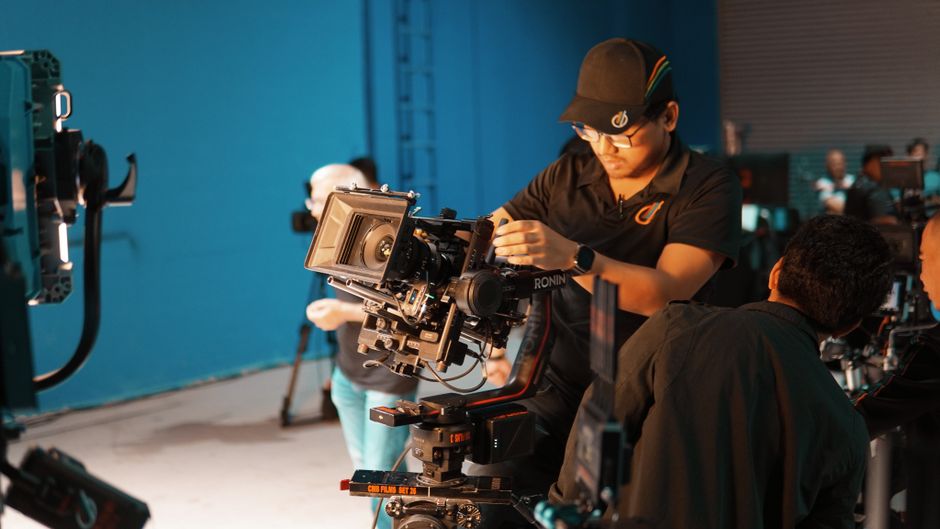
Questions to ask before committing to night work
- How many consecutive night calls are planned, and how will call times shift across the block? What is the expected wrap, including company moves and strike? How much real turnaround remains before the next call after travel? Which departments need earlier calls or longer resets, especially hair and makeup? Can the scene be redesigned or scheduled to avoid an unsafe squeeze? Who should crew members contact if fatigue, travel, or working conditions raise a concern?
A schedule that protects recovery may also protect the image. Tired crews can lose time to missed details, slower resets, and preventable mistakes. No visual effect is worth treating exhaustion as proof of commitment.
How to Choose for a Specific Scene
Start with the story. Decide whether the scene needs real darkness, a readable nighttime environment, or simply the impression that the action happens after sunset. Look at the location. Check the sky, surrounding practicals, access, noise, power, and restrictions at both day and night. Test the camera plan. Use the intended digital camera, lens, exposure approach, and monitoring pipeline. Test the grade rather than assuming a blue tint will solve daylight cues. Compare total production demands. Include lighting, locations, transport, post work, and the effect of each option on crew calls—not only the hours spent recording. Protect the turnaround. If real night creates a compressed recovery window, revisit the schedule, coverage, or method before the crew is on the clock.A Note on On-Set Routines
Long or overnight work can make people look for small comforts, but personal products should never be presented as a fix for fatigue or a substitute for safe scheduling. For example, Joy Organics CBD gummies are described by the company as certified organic, with a published batch report. Anyone considering a CBD product should review the product information and consider relevant workplace policies, personal circumstances, and professional guidance. A gummy does not make a short turnaround safe, and no supplement belongs in place of adequate rest.
So, Which Looks Better?
Real night usually has the edge when the scene depends on authentic darkness, practical light, or a location’s nighttime character. Day for night can look better when control, visibility, access, or schedule makes it the more deliberate choice—and when the image is composed to support the illusion. Digital cameras and sensors have widened the creative range, especially for low-light work, but they have not removed the need for lighting judgment, testing, or time.
The better question is not “Which technique is more legitimate?” It is: Which approach gives this scene the right visual information, and can the crew execute it without sacrificing safe working time? When the answer accounts for both the frame and the people building it, the result is more likely to feel like night—not like a workaround.